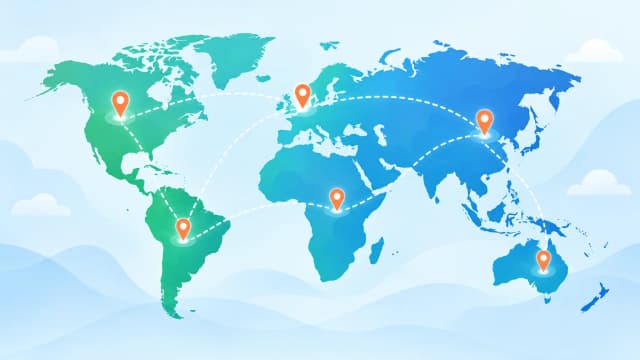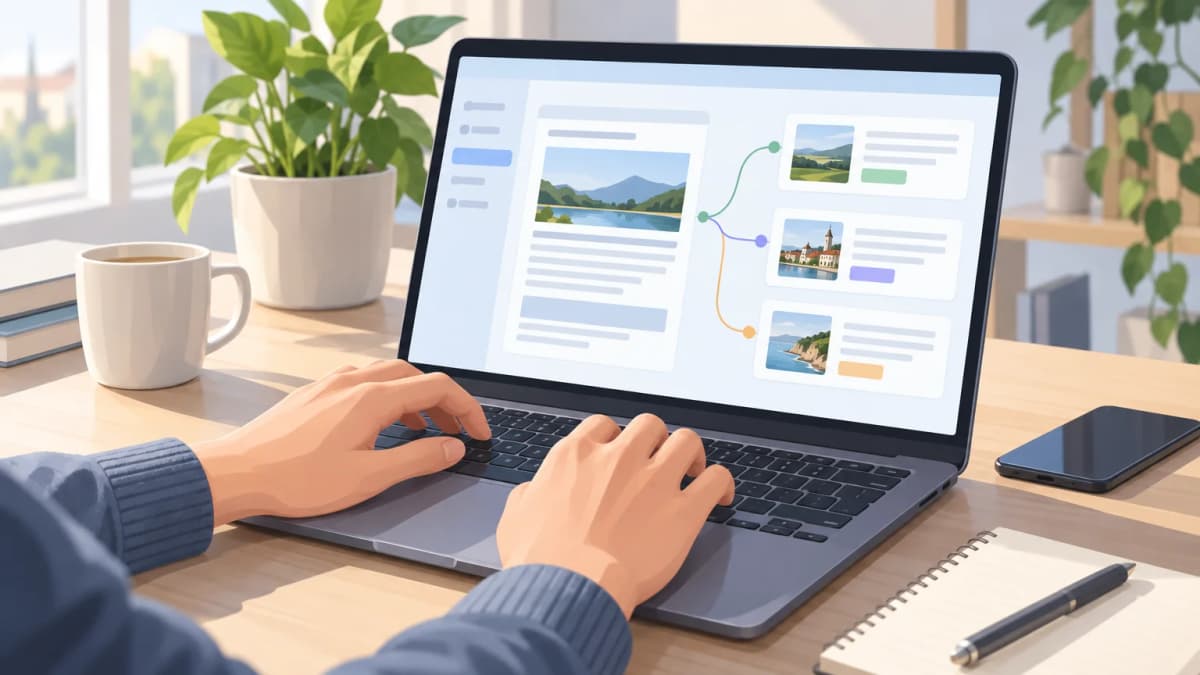
There's a version of content marketing that most small business owners dream about: every visitor to your site sees something that feels written just for them. The right message, the right tone, the right offer — at exactly the right moment. For years, that kind of precision was reserved for companies with large marketing teams and deep budgets. That's no longer true. AI personalization has changed the equation entirely, making it possible for website owners and small businesses to deliver tailored experiences at scale, without adding a single extra hour to their workday.
Why generic content is quietly costing you
Most websites still treat every visitor the same way. The homepage says the same thing to a first-time visitor as it does to someone who has already browsed three product pages. The blog serves the same articles to a seasoned professional as it does to someone who is completely new to the topic. This one-size-fits-all approach isn't just inefficient — it's actively working against you.
People have become remarkably good at tuning out content that doesn't feel relevant to them. When someone lands on your site and doesn't immediately see something that speaks to their situation, they leave. It's not personal; it's just noise. Personalized content marketing closes that gap. It means showing people something that connects with where they actually are, rather than where you hope they might be. The result is longer time on site, higher engagement, and ultimately more conversions — not because you're selling harder, but because you're communicating better.
The obstacle has never been understanding the value of personalization. It's always been the effort involved. Writing multiple versions of the same content, segmenting audiences manually, testing which message works for which group — that's a full-time job. AI removes most of that friction.
What AI actually does behind the scenes
When people hear "AI personalization," they sometimes picture something complicated — algorithms, data scientists, months of setup. The reality, at least with modern tools built for small businesses, is far more approachable than that.
At its core, AI personalization works by analyzing signals: what someone searched to find your site, which pages they've visited, what kind of content they tend to engage with, and sometimes broader context like industry or location. It then uses that information to tailor content to your audience automatically — adjusting headlines, swapping out introductory paragraphs, highlighting different benefits, or surfacing different calls to action depending on who is reading.
The key word there is "automatically." You're not writing five versions of every article. You set up the logic once, and the system handles the rest. For a small business owner who is already wearing a dozen hats, that distinction matters enormously. You get the results of a personalized content strategy without the operational overhead that used to come with it.
It's also worth noting that AI doesn't just personalize for individuals — it learns over time. As more visitors interact with your content, the system gets better at predicting what works for different segments of your audience. That means your content becomes more effective the longer you use it, which is the kind of compounding return that most marketing investments simply don't offer.
How small businesses are using it right now
You don't need to be a tech company to make this work. Small businesses across industries — from local service providers to e-commerce shops to independent consultants — are already using AI to personalize their content in practical, straightforward ways.
A home renovation company might show different introductory content to someone searching for "bathroom remodel ideas" versus someone searching for "kitchen renovation cost." Both visitors land on the same page, but the experience feels tailored to what they're actually thinking about. A software tool for freelancers might highlight different features depending on whether the visitor appears to be a designer, a writer, or a developer. A small online retailer might adjust which products appear in a blog post based on what a returning visitor has looked at before.
None of these scenarios require a dedicated marketing team. They require a platform that does the heavy lifting for you. If you're curious about what that setup actually looks like in practice, see how it works — it's more straightforward than most people expect.
This is a genuinely good time to adopt this technology. The tools are mature enough to be reliable, accessible enough for non-technical users, and affordable enough that cost is no longer a serious barrier for small businesses. The question isn't really whether AI personalization works — the evidence on that is pretty clear. The question is how quickly you want to start benefiting from it.
Getting started without overthinking it
One of the biggest mistakes businesses make with personalization is waiting until everything is perfect before starting. They want to fully map out every audience segment, write every content variation, and build an airtight strategy before flipping the switch. In the meantime, their competitors are already learning and iterating.
A better approach is to start simple. Pick one page that gets meaningful traffic — your homepage, a popular blog post, a key landing page — and begin there. Define two or three basic audience types and let the AI start adapting content for them. Review what's working after a few weeks, adjust where needed, and expand from there. The system does the personalization work; your job is just to point it in the right direction.
Good tools make this process genuinely easy. When you're evaluating options, look for something that integrates cleanly with your existing site, gives you visibility into what the AI is doing, and doesn't require a technical background to manage. It's also worth checking the pricing early — a lot of small business owners are surprised by how accessible these tools have become.
If you're ready to stop sending every visitor the same generic experience, get started with onboarding and see what personalized content can do for your business. The effort is minimal. The difference it makes is not.