At some point, almost every small business owner hits the same wall. You've been running ads, paying for clicks, watching the budget drain — and the moment you pause the campaign, the traffic disappears. It feels like renting an audience instead of building one. There's a better path, and it starts with understanding how website organic traffic actually works and why it's the most reliable growth engine available to you right now.
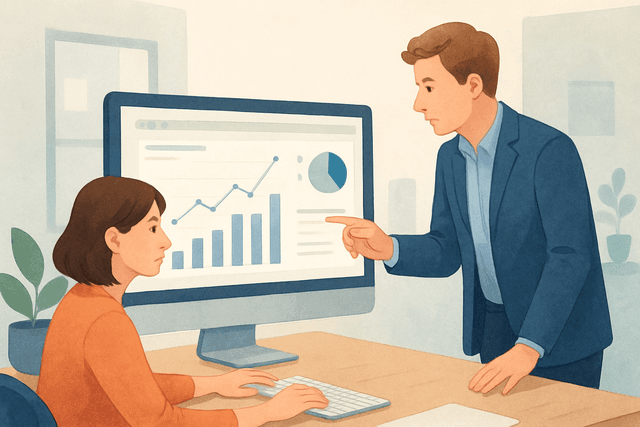
Organic traffic is the visitors who find your site through search engines without you paying for a placement. They searched for something, your page showed up, and they clicked. That's it. No cost per click. No campaign to manage. No budget to burn. The challenge, of course, is earning those rankings in the first place — and keeping them. That's where most businesses either give up too soon or take entirely the wrong approach.
Why organic traffic beats paid traffic over time
Paid advertising has its place. If you need fast visibility for a launch or a seasonal push, ads can deliver. But they come with a fundamental flaw: the results stop the moment your spending does. Organic search, by contrast, compounds. A well-written article that ranks on page one can drive steady traffic for months or years without any additional investment. That's a completely different return profile.
Beyond the economics, organic visitors tend to convert better. Someone who found your site by searching a specific question is already interested in your topic. They came to you with intent. That's a warmer audience than someone who saw a banner ad while scrolling past something else. When you drive organic traffic at scale, you're consistently putting yourself in front of people who are actively looking for what you offer.
There's also the trust factor. Ranking organically signals credibility. Users know that ads are paid placements. An organic result feels earned, and that perception translates into higher click-through rates and more engaged visitors. For small businesses especially, that credibility matters enormously when competing against bigger brands with larger ad budgets.
The content problem most small businesses face
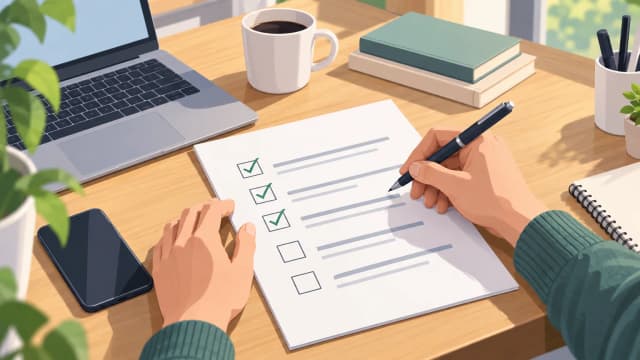
Here's where things get honest. Everyone knows content is important for SEO. Publish useful articles, target the right keywords, build topical authority — this is well-established advice. The problem isn't knowing what to do. The problem is doing it consistently when you're also running an actual business.
Most small business owners don't have an in-house content team. Hiring freelancers is unpredictable. Doing it yourself means hours spent writing instead of doing the work you're actually good at. So content becomes the thing that gets pushed back every week until it barely happens at all. And without consistent publishing, organic growth stalls. Search engines reward fresh, relevant content that demonstrates ongoing expertise. A blog with three posts from two years ago isn't sending the right signals.
This is precisely why content automation has become such a practical solution for website owners who want to grow without ads. It's not about replacing good writing — it's about removing the bottleneck that stops most businesses from publishing anything at all. When content production is handled for you, consistency becomes the default rather than the exception.
How to build a sustainable organic growth system in 2026
The businesses seeing strong organic results in 2026 aren't necessarily the ones with the biggest teams or the deepest technical SEO expertise. They're the ones who've figured out how to publish consistently, target the right topics, and let compounding do its work over time. Here's what that actually looks like in practice.
Start with your audience's real questions. What do your potential customers type into Google before they're ready to buy? What problems are they trying to solve? Those questions are your content roadmap. Each one is an opportunity to show up with a helpful, well-written answer. Over time, a library of these articles builds your authority in the eyes of both readers and search engines.
Next, prioritize consistency over volume. Publishing two strong articles per week is far more effective than publishing twenty in January and nothing for the rest of the year. Search engines notice publishing cadence. Regular updates tell Google your site is active and worth crawling frequently. Irregular bursts followed by long silences do the opposite.
Finally, make sure your content is properly structured. Clear headings, natural keyword usage, internal links between related articles — these aren't technical tricks, they're just good communication. A well-structured page is easier for both readers and search engines to understand, which helps your rankings and your engagement metrics at the same time.
If you're wondering how to make this happen without it consuming your whole week, it's worth looking at how platforms like Blost automates the entire content creation process for small businesses. The idea is simple: you answer a few questions about your business and audience, and the platform handles the research, writing, and publishing on a consistent schedule. No freelancers to manage, no blank page to stare at.
Starting without overthinking it
One of the biggest mistakes people make with organic growth is waiting until everything feels perfect before they start. The site needs a redesign. The keyword research isn't done. The editorial calendar isn't built yet. Meanwhile, competitors who started six months ago are already ranking. Organic SEO rewards early action because results take time to compound — the sooner you begin, the sooner that compounding works in your favor.
You don't need to understand every detail of how search algorithms work. You need to publish genuinely useful content, do it regularly, and be patient. That's the unsexy truth behind every successful organic growth story. The strategy isn't complicated. The execution is where most people fall short, which is why having a reliable system behind you makes all the difference.
If you're ready to stop relying on ad spend and start building traffic that lasts, the best next step is simply to begin. Check out Blost's onboarding process to see how quickly you can get a consistent content system running for your site — no technical background required, and no ad budget needed.